

Not suitable for LASIK? PRK may still help you see clearly in Sydney

PRK may be a suitable option if your eyes are not ideal for LASIK, offering a flap-free laser approach designed to support clearer everyday sight

Not suitable for LASIK? PRK may still help you see clearly in Sydney

PRK may be a suitable option if your eyes are not ideal for LASIK, offering a flap-free laser approach designed to support clearer everyday sight

With PRK, you may enjoy clearer vision without glasses

Get fast answers about how this treatment works and whether it may be right for you

  • PRK may be recommended for people who are not suitable for LASIK.
  • It can be an option for those with thinner corneas, contact lens-related dryness or active lifestyles that increase the chance of trauma to the eye surface.
  • Suitable candidates are usually over 18 with a stable prescription and healthy eyes aside from their refractive error.
  • An in-depth assessment includes corneal mapping, tear film evaluation and vision tests.
  • Based on this information, your surgeon will explain whether PRK is the safest and most effective option for your eyes and visual goals.
  • PRK uses a laser to carefully reshape the surface of the cornea so light focuses correctly within the eye.
  • Numbing drops are used for comfort. Instead of creating a flap like in LASIK, the very top layer of corneal cells is gently removed before the laser reshapes the underlying tissue.
  • A protective contact lens is placed to support healing.
  • Over the following days and weeks, the surface layer regenerates and vision improves as the eye adapts.
  • The aim is to reduce or remove the need for glasses or contacts for many everyday activities.
  • PRK may benefit people who want greater freedom from glasses or contacts but are not suitable for LASIK.
  • It avoids the creation of a corneal flap, which can make it appealing for athletes and those at higher risk of eye injuries.
  • Long-term outcomes are often similar to LASIK. The main consideration is that recovery is longer, with more discomfort in the first few days and slower visual improvement.
  • Some people may still need glasses for certain tasks after treatment.
  • A personalised consultation will help determine if the advantages of PRK align with your needs.
  • PRK, like any medical procedure, carries risks. Temporary side effects may include discomfort, light sensitivity, glare, halos and fluctuating vision while the eye surface heals.
  • In uncommon cases, scarring, haze or under- or over-correction can occur and may require additional treatment. Infection is rare but possible, which is why close follow-up and using prescribed eye drops is important.
  • Your surgeon will assess your eye health thoroughly and discuss all potential risks so you can make a confident, informed decision about whether PRK is suitable for you.
  • Your journey begins with a detailed suitability assessment.
  • On the day of treatment, numbing drops keep you comfortable while the surface cells of the cornea are gently removed.
  • A precise laser reshapes the exposed tissue to match your prescription.
  • A protective bandage lens is then placed on the eye.
  • You will use eye drops to support healing and attend follow-up visits to monitor progress.
  • Vision gradually improves over days to weeks as the surface regenerates and stabilises, helping support clearer sight without glasses.
  • Many people experience clearer vision without glasses or contacts after PRK once healing is complete.
  • Final visual results can take longer to achieve than with LASIK, but the long-term outcomes are often similar.
  • Some individuals may still need glasses for certain activities, especially as age-related changes like presbyopia occur.
  • A personalised treatment plan and ongoing care help support a comfortable recovery and good visual function aligned with your lifestyle and goals.

Find out if vision correction could suit your eyes

Book an appointment to learn whether refractive surgery may be an option for you

Find out if vision correction could suit your eyes

Book an appointment to learn whether refractive surgery may be an option for you

GAIN VISUAL FREEDOM IN 3 EASY STEPS

Eye treatment options can be confusing, we’ve made the path to healthier vision easy to follow

STEP 1: GET IN TOUCH

Every eye is different. The first step is to find out which treatment could help you see more clearly and protect your long-term vision. Call our caring team or use our online calendar to book an appointment.
STEP 2: WE’LL MEET

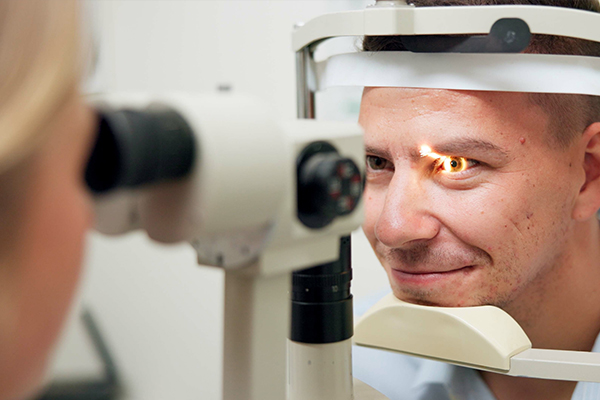
During your appointment, we’ll examine your eyes and explain which treatment options may suit your condition and lifestyle. You’ll receive expert advice and a clear, personalised plan.

STEP 3: ENJOY FREEDOM

After treatment, many people feel relief knowing their eyes are healthier and their sight is clearer. With proper care, you can look forward to years of confident, comfortable vision.

Find out if laser eye surgery could suit your eyes

Take our quick 2-minute test to learn which vision correction options may fit your eyes, lifestyle, and goals

Find out if laser eye surgery could suit your eyes

Take our quick 2-minute test to learn which vision correction options may fit your eyes, lifestyle, and goals

Academic resources on laser eye surgery

Learn more from authoritative clinical publications. These links will take you off our website
This article explains how laser eye surgery reshapes the cornea to correct vision issues like short-sightedness, long-sightedness and astigmatism. It covers who’s suitable, what the procedure involves, how recovery works, and possible risks.

Read more

This article outlines how laser eye surgery uses a laser to reshape the cornea and correct myopia, hypermetropia and astigmatism. It covers suitability, risks, recovery and long-term outlook.

Read more

Refractive surgery offers a range of procedures to reduce reliance on glasses or contact lenses by reshaping the cornea. From LASIK to SMILE, these treatments address conditions like nearsightedness, farsightedness, and astigmatism.

Read more

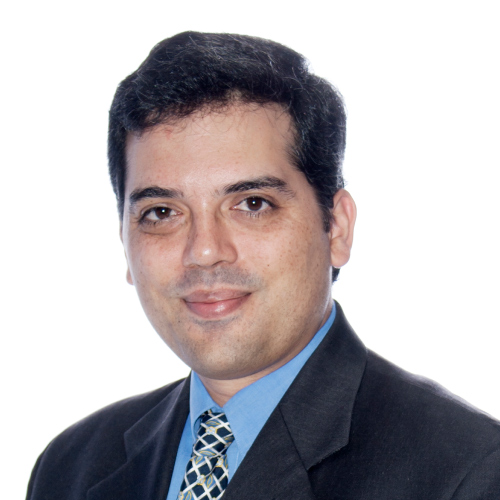
Hi, I’m Dr Daya Sharma

I’m a cataract, corneal and refractive surgeon with subspecialty training from Moorfields Eye Hospital in London and Sydney Eye Hospital. I perform laser vision correction procedures, refractive lens surgery, and advanced cataract surgery using the latest diagnostic and surgical technology. My work is focused on helping people reduce their dependence on glasses and improve their quality of vision at all distances. I’m actively involved in research, publication and surgical education, and I take pride in offering honest, thorough guidance to every patient. My approach is personal, careful and always tailored to individual needs and lifestyles.

Hi, I’m Dr Shanel Sharma

I’m an ophthalmologist with subspecialty training in paediatric eye conditions, strabismus, medical retina and general ophthalmology from leading hospitals in Sydney and London, including Moorfields Eye Hospital. I hold a Fellowship with RANZCO and have published widely in peer-reviewed journals. My focus is providing careful, individualised care using evidence-based treatments. I’m accredited to treat a range of conditions and perform procedures including intravitreal injections, strabismus surgery and botulinum toxin treatments. I always aim to make the process clear, calm and supportive.