

Reduce your dependence on reading glasses with lens replacement surgery in Sydney

Discover how advanced lens technology may help your eyes focus clearly at different distances, for more comfortable vision throughout the day

Reduce your dependence on reading glasses with lens replacement surgery in Sydney

Discover how advanced lens technology may help your eyes focus clearly at different distances, for more comfortable vision throughout the day

Explore how lens replacement may support clearer vision at every distance

Many people feel more comfortable and confident when their vision better supports how they live, work and relax each day

Experience improved comfort in everyday tasks

Tasks like reading your phone, checking documents, or scanning a menu can become difficult as near vision changes with age. This can create extra strain and interruptions throughout the day. A thorough eye assessment can help determine whether lens replacement surgery may reduce this reliance on reading glasses and improve visual comfort. With the right treatment, activities like driving, travelling or getting ready in the morning may feel smoother and more natural again.

Feel more at ease and in control

When vision doesn’t match the pace of your life, it can create frustration or self-consciousness. You may feel like you’re constantly stopping to adjust, grab glasses or improve lighting. Lens replacement surgery may provide a long-term solution that supports your confidence at work, socially and during leisure time. Many people say they feel more relaxed and reassured once they have a clear plan for managing their changing vision.

Enjoy a days that flow more easily

Instead of reaching for glasses throughout the day, you may find yourself reading messages, using screens and navigating social outings with less interruption. Vision that keeps up with your busy lifestyle can free up your focus and energy for the things you enjoy. Whether you’re travelling, exercising, or catching up with friends, clear and comfortable vision may help you stay fully present and active.

Feel more like yourself again

Improved vision can help you engage more naturally and comfortably with the people around you. When your eyesight aligns with your goals and lifestyle, you may feel more capable and self-assured in everyday interactions. Choosing to support your long-term eye health is a proactive step that can help you maintain independence and peace of mind as life continues to move forward.

Explore how lens replacement may support clearer vision at every distance

Many people feel more comfortable and confident when their vision better supports how they live, work and relax each day


Experience improved comfort in everyday tasks

Tasks like reading your phone, checking documents, or scanning a menu can become difficult as near vision changes with age. This can create extra strain and interruptions throughout the day. A thorough eye assessment can help determine whether lens replacement surgery may reduce this reliance on reading glasses and improve visual comfort. With the right treatment, activities like driving, travelling or getting ready in the morning may feel smoother and more natural again.

Feel more at ease and in control

When vision doesn’t match the pace of your life, it can create frustration or self-consciousness. You may feel like you’re constantly stopping to adjust, grab glasses or improve lighting. Lens replacement surgery may provide a long-term solution that supports your confidence at work, socially and during leisure time. Many people say they feel more relaxed and reassured once they have a clear plan for managing their changing vision.

Enjoy a days that flow more easily

Instead of reaching for glasses throughout the day, you may find yourself reading messages, using screens and navigating social outings with less interruption. Vision that keeps up with your busy lifestyle can free up your focus and energy for the things you enjoy. Whether you’re travelling, exercising, or catching up with friends, clear and comfortable vision may help you stay fully present and active.

Feel more like yourself again

Improved vision can help you engage more naturally and comfortably with the people around you. When your eyesight aligns with your goals and lifestyle, you may feel more capable and self-assured in everyday interactions. Choosing to support your long-term eye health is a proactive step that can help you maintain independence and peace of mind as life continues to move forward.

READ CLEARLY WITHOUT GLASSES IN 3 EASY STEPS

Refractive lens exchange can sound complex, but we’ve made the journey simple and supportive

STEP 1: GET IN TOUCH

Not everyone is suitable for refractive lens exchange. The first step is to find out if it could help you. Call our friendly team or use our online calendar to book an appointment.
STEP 2: WE’LL MEET

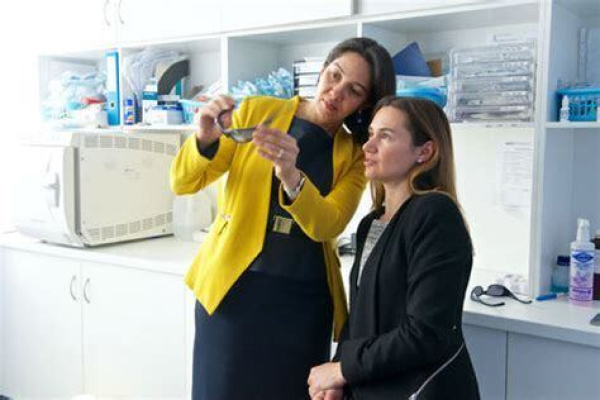
At your appointment, we’ll carefully examine your eyes, discuss your goals, and explain the lens options that may suit your lifestyle. You’ll leave with a clear understanding of your next step and the results you can expect.

STEP 3: ENJOY FREEDOM

After treatment, many people are delighted by how natural and effortless their vision feels. Everyday tasks like reading, driving, or travelling become simpler, often without glasses or contacts. Many wish they had done it sooner.

See if you’re ready to leave your reading glasses behind

Book an appointment to explore options that may restore clear vision for work, reading and everyday life

See if you’re ready to leave your reading glasses behind

Book an appointment to explore options that may restore clear vision for work, reading and everyday life

With lens replacement surgery, you may see more clearly without reading glasses

Find quick, expert answers to common questions about treating age-related vision changes
  • Lens replacement surgery may be considered for people over 45 who rely on reading glasses due to age-related near-vision changes, known as presbyopia.
  • It may also help those with early cataracts or higher prescriptions who are not ideal candidates for laser vision correction.
  • Suitability depends on eye health, corneal structure, lens clarity and general medical factors.
  • A detailed assessment includes vision tests, lens evaluation and advanced imaging.
  • Your surgeon will discuss the safest and most effective options for your visual needs and whether lens replacement surgery is recommended for your individual eyes and lifestyle.

During lens replacement surgery, the eye’s natural lens, which has become less flexible with age, is gently removed and replaced with an artificial lens. This artificial lens is selected to match your prescription and help focus light clearly on the retina. Advanced intraocular lenses are designed to support distance vision and near-vision tasks like reading or using a phone. The procedure is typically performed under local anaesthetic, and most people return home the same day. Vision gradually improves as the eye heals and adapts to the new lens.

  • Lens replacement surgery offers potential advantages such as reducing the need for reading glasses, preventing future cataract development, and improving clarity at different distances.
  • There is no regression of near-vision like that seen after corneal laser surgery later in life.
  • However, this is still surgery and carries the risks associated with entering the eye. Some people may still require glasses for certain tasks afterwards.
  • Adjustment to vision can take time as the brain learns to work with the new lens. Discussing goals and expectations with your surgeon ensures a personalised plan that suits your lifestyle.
  • As with all surgical procedures, lens replacement carries risks. These may include temporary irritation, inflammation, halos, glare, or changes in contrast sensitivity as the eye adjusts.
  • Rare complications may include infection or issues with the implanted lens requiring further treatment.
  • Careful screening, thorough planning and modern technology help reduce risks.
  • Your surgeon will explain all potential outcomes and answer questions so you can make an informed decision that suits your needs and comfort level.
  • Alternatives to lens replacement include laser vision correction, updated reading glasses or progressive lenses, and implantable collamer lenses (ICL) where appropriate.
  • Some patients with dry eyes or thinner corneas may prefer lens-based solutions.
  • For those with early cataracts, timing of surgery can be discussed.
  • An eye assessment will help determine the option that best aligns with your prescription, eye health and future vision needs.
  • Your journey begins with a detailed assessment to plan your treatment.
  • On the day of surgery, anaesthetic drops are used for comfort.
  • A tiny opening is made in the eye, and the natural lens is gently removed. A precise artificial lens is then positioned in its place.
  • The procedure typically takes less than 30 minutes per eye, and most people return home soon afterwards.
  • Follow-up visits ensure comfortable healing and monitor progress as your vision stabilises.
  • Many people notice improved clarity for everyday tasks as the eye heals and adapts to its new lens.
  • Results depend on the type of lens chosen, eye health and individual visual goals.
  • Some people may still choose to wear glasses for specific activities, especially in low-light or fine-detail situations.
  • Your surgeon will guide you toward the most appropriate lens option to support comfortable, functional vision at different distances.
  • Regular follow-up care helps ensure the best long-term outcome for your eyes.

Do your reading glasses make life more complicated than it should be?

If so, it might be time to explore advanced lens treatment options designed to restore clear, effortless vision

Always reaching for your glasses?

You start your day squinting at your phone and spend the rest of it looking for your glasses – in your bag, your desk, or the car. By booking an appointment, you can learn if a vision-correction treatment could help you see clearly from screen to page, without the constant search.

Feeling frustrated by blurred close-up vision?

Small print on menus or contracts shouldn’t slow you down. If eye strain is becoming part of your routine, a consultation can help you discover options to restore your near vision and comfort.

Tired of juggling glasses for every task?

Switching between pairs for reading, meetings, and driving is exhausting. By taking the first step and booking an appointment, you can explore solutions designed to simplify your day and fit seamlessly into your lifestyle.

Take this 2-minute test to see if vision correction could help your reading vision

Find out which treatment options may suit your age, lifestyle, and vision needs with our quick online self-test

Take this 2-minute test to see if vision correction could help your reading vision

Find out which treatment options may suit your age, lifestyle, and vision needs with our quick online self-test

Affiliations and memberships

We are proud to be a part of these professional bodies
Academic resources on lens replacement surgery

Learn more from authoritative clinical publications. These links will take you off our website

This article outlines Refractive Lens Exchange (RLE): a procedure replacing your eye’s natural lens with an artificial one to treat presbyopia, farsightedness, or high refractive error and reduce dependence on glasses.

Read more

This overview of multifocal intraocular lenses (IOLs) shows they are a widely used option to manage presbyopia after cataract surgery, with generally good patient satisfaction and visual outcomes.

Read more

This study compared visual outcomes, quality of vision and patient satisfaction across three types of multifocal intraocular lenses (bifocal mix-and-match, EDOF, and trifocal) after cataract surgery.

Read more

Hi, I’m Dr Daya Sharma

I’m a cataract, corneal and refractive surgeon with subspecialty training from Moorfields Eye Hospital in London and Sydney Eye Hospital. I perform laser vision correction procedures, refractive lens surgery, and advanced cataract surgery using the latest diagnostic and surgical technology. My work is focused on helping people reduce their dependence on glasses and improve their quality of vision at all distances. I’m actively involved in research, publication and surgical education, and I take pride in offering honest, thorough guidance to every patient. My approach is personal, careful and always tailored to individual needs and lifestyles.

Hi, I’m Dr Shanel Sharma

I’m an ophthalmologist with subspecialty training in paediatric eye conditions, strabismus, medical retina and general ophthalmology from leading hospitals in Sydney and London, including Moorfields Eye Hospital. I hold a Fellowship with RANZCO and have published widely in peer-reviewed journals. My focus is providing careful, individualised care using evidence-based treatments. I’m accredited to treat a range of conditions and perform procedures including intravitreal injections, strabismus surgery and botulinum toxin treatments. I always aim to make the process clear, calm and supportive.