

Relief for dry eyes, chalazion & blepharitis in Sydney

Expert treatments may unblock glands, restore tear quality and ease eyelid inflammation so you can feel more comfortable again

Relief for dry eyes, chalazion & blepharitis in Sydney

Expert treatments may unblock glands, restore tear quality and ease eyelid inflammation so you can feel more comfortable again

With specialised eyelid care, you may experience clearer, more comfortable eyes

Find out how modern treatments for dry eye, chalazion and blepharitis may support relief and better eye surface health
  • Treatment for dry eye, chalazion or blepharitis may be suitable when symptoms persist despite basic care such as warm compresses, eyelid hygiene or artificial tears.
  • If you have chronic eyelid redness, lumps on the eyelid (chalazion), ongoing dryness, irritation or blurred vision, a specialist assessment is important.
  • The health of your meibomian glands (oil glands of the eyelid), tear film stability, and any eyelid inflammation or infection will be evaluated.
  • Your ophthalmologist will determine if in-office treatments, procedural options or a tailored hygiene regimen are appropriate for your condition.
  • Treatment begins with improving eyelid hygiene: warm compresses, gentle massage and lid scrubs to loosen blocked oil glands.
  • If necessary, in-office procedures such as meibomian gland expression, IPL (intense pulsed light) therapy, lid-margin debridement or chalazion drainage may be recommended.
  • These interventions aim to unblock oil glands, improve tear film stability and reduce eyelid inflammation.
  • Once the gland function and eyelid health improve, symptoms like dryness, irritation and blurry vision may ease.
  • The specialist will tailor the plan to your gland status, tear quality and symptom severity.
  • An advantage of comprehensive eyelid and ocular surface treatment is the potential for improved comfort, clearer vision and reduced reliance on eye drops or frequent home care.
  • By addressing root causes like gland blockage and lid irritation, longer-term relief may be achieved.
  • However, some treatments require ongoing home care (compresses, lid hygiene), repeated in-office sessions and patience as glands regain function.
  • Results vary depending on the condition’s severity, gland damage and how consistent you are with maintenance.
  • A clear discussion about lifestyle commitments helps ensure the treatment aligns with your needs and expectations.
  • Procedural treatments for eyelid and ocular-surface disease are generally low risk, but they do carry potential side effects.
  • Mild discomfort, temporary redness or sensitivity may occur after in-office therapies such as IPL or lid-margin expression.
  • Rarely, eyelid procedures might cause bleeding, infection or scarring around the lid margin.
  • Poor healing is more likely in the presence of systemic conditions like diabetes or blepharitis recurring.
  • Your ophthalmologist will explain all risks, how they minimise them (e.g., antibiotics, sterile technique) and how follow-up care supports safe outcomes.
  • Your journey begins with an eye surface and eyelid assessment.
  • A treatment plan is created based on gland health, tear quality and eyelid status. You’ll start with lid hygiene at home and may attend in-office sessions such as gland expression, IPL or chalazion drainage.
  • After treatment, follow-up visits ensure your glands recover, tears stabilise and comfort improves.
  • Maintenance includes ongoing lid care and monitoring to prevent recurrence.
  • With consistent treatment and good eyelid care, many people experience fewer episodes of irritation, clearer vision and improved tear comfort.
  • Tear film stability may improve and chalazion recurrence may lessen.
  • However, outcomes depend on how advanced the gland damage is, how well you follow home care and whether underlying conditions are managed.
  • Some people may still need ongoing maintenance but often with less intensity.
  • Your ophthalmologist will help you understand realistic expectations based on your eyelid health and vision goals.

GAIN VISUAL FREEDOM IN 3 EASY STEPS

Eye treatment options can be confusing, we’ve made the path to healthier vision easy to follow

STEP 1: GET IN TOUCH

Every eye is different. The first step is to find out which treatment could help you see more clearly and protect your long-term vision. Call our caring team or use our online calendar to book an appointment.
STEP 2: WE’LL MEET

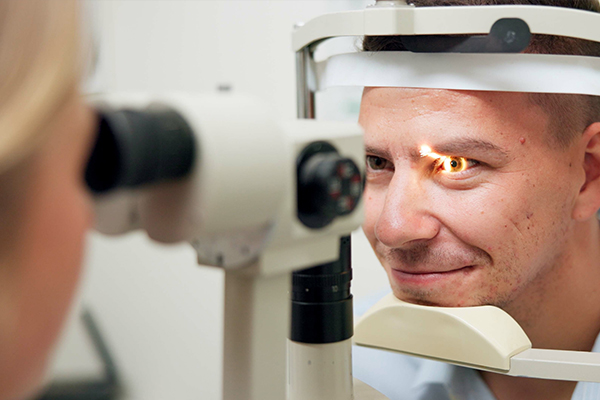
During your appointment, we’ll examine your eyes and explain which treatment options may suit your condition and lifestyle. You’ll receive expert advice and a clear, personalised plan.

STEP 3: ENJOY FREEDOM

After treatment, many people feel relief knowing their eyes are healthier and their sight is clearer. With proper care, you can look forward to years of confident, comfortable vision.

Take the first step toward clearer, healthier vision

Book an appointment to learn more about your eyes and the treatment options that may suit you

Take the first step toward clearer, healthier vision

Book an appointment to learn more about your eyes and the treatment options that may suit you

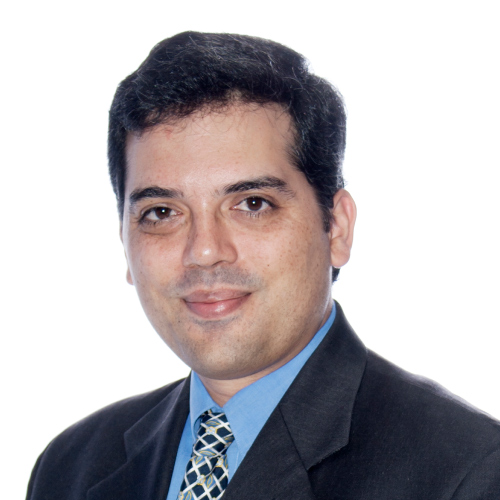
Hi, I’m Dr Daya Sharma

I’m a cataract, corneal and refractive surgeon with subspecialty training from Moorfields Eye Hospital in London and Sydney Eye Hospital. I perform laser vision correction procedures, refractive lens surgery, and advanced cataract surgery using the latest diagnostic and surgical technology. My work is focused on helping people reduce their dependence on glasses and improve their quality of vision at all distances. I’m actively involved in research, publication and surgical education, and I take pride in offering honest, thorough guidance to every patient. My approach is personal, careful and always tailored to individual needs and lifestyles.
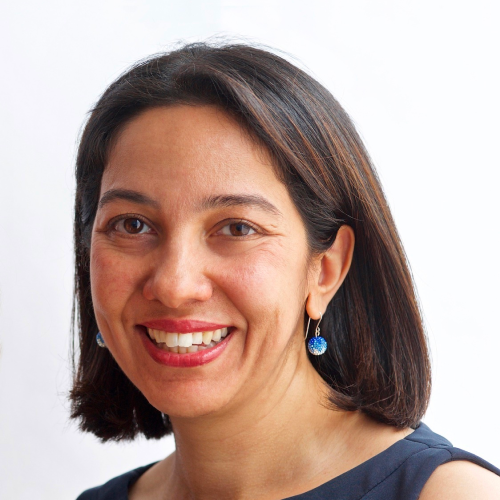
Hi, I’m Dr Shanel Sharma

I’m an ophthalmologist with subspecialty training in paediatric eye conditions, strabismus, medical retina and general ophthalmology from leading hospitals in Sydney and London, including Moorfields Eye Hospital. I hold a Fellowship with RANZCO and have published widely in peer-reviewed journals. My focus is providing careful, individualised care using evidence-based treatments. I’m accredited to treat a range of conditions and perform procedures including intravitreal injections, strabismus surgery and botulinum toxin treatments. I always aim to make the process clear, calm and supportive.