

Helping safeguard your sight from glaucoma in Sydney

Our personalised care focuses on reducing pressure inside the eye to help slow progression and protect the vision you rely on every day

Helping safeguard your sight from glaucoma in Sydney

Our personalised care focuses on reducing pressure inside the eye to help slow progression and protect the vision you rely on every day

With glaucoma treatment, you could preserve more of your sight

Learn how early diagnosis and tailored care can help protect your optic nerve and maintain independence
  • Glaucoma is a condition that damages the optic nerve, the part of the eye that sends visual signals to the brain. It usually causes gradual loss of side vision, so symptoms can go unnoticed for many years.
  • High pressure inside the eye is the biggest risk factor, but glaucoma can also occur in people with normal eye pressure.
  • If vision is lost, it cannot be restored, making early detection essential.
  • People over 40 or with a family history of glaucoma should have regular eye checks.
  • With ongoing monitoring and treatment, most people can maintain good vision throughout their life.
  • Glaucoma treatment depends on the type and stage of the condition.
  • Eye drops are often the first step, helping lower pressure by reducing fluid production or improving fluid drainage.
  • Laser treatments such as selective laser trabeculoplasty (SLT) may be recommended as a first-line treatment or alongside drops. In more advanced glaucoma, tiny stents or surgery may help improve fluid drainage and control pressure more effectively.
  • Your ophthalmologist will tailor the plan to your optic nerve health, pressure levels and lifestyle needs, with the goal of preserving vision long-term.
  • Treatment targets the main factor linked with optic nerve damage, elevated eye pressure. By lowering pressure, the stress on the optic nerve is reduced, helping slow or stop further vision loss.
  • Eye drops are used daily, while laser treatment aims to improve the natural drainage system inside the eye.
  • Surgical options may provide more sustained pressure control when needed.
  • Because glaucoma is lifelong, regular follow-ups with imaging and vision field testing help track changes and adjust treatment over time, ensuring the eyes remain stable and well-protected.
  • The major advantage of glaucoma treatment is the chance to maintain useful vision for life.
  • Most treatments are well-established, effective, and tailored to minimise disruption to daily routine.
  • Laser and stent procedures may reduce the number of drops required.
  • However, treatment needs to continue long-term and results rely heavily on consistency.
  • Some people may need multiple treatment types as the disease progresses.
  • While treatment cannot restore lost vision, it can help protect the sight that remains.
  • Understanding expectations and staying committed to follow-up visits are key to a successful outcome.
  • All glaucoma treatments have possible risks and side effects.
  • Eye drops may cause irritation, redness or changes to the surface of the eye. Laser therapy has a small risk of temporary inflammation or pressure spikes.
  • Surgical procedures, including stents, can lead to infection, scarring or fluctuating pressure that requires additional care.
  • The risk of doing nothing is significant, as untreated glaucoma can lead to permanent vision loss.
  • Your ophthalmologist will discuss the safest options for your situation and monitor you closely to reduce risk and keep your eyes healthy long-term.
  • With early and appropriate treatment, many people stabilise their glaucoma and keep good functional vision for decades.
  • You may still need glasses for focusing, but the aim is preserving the visual field you rely on to stay independent.
  • Treatment success depends on early diagnosis, how well pressure responds, and regular monitoring.
  • Vision that has already been lost cannot be regained, which is why early checks and ongoing care are so important.
  • Your specialist will guide you through each step, helping you stay confident in your treatment and long-term eye health.

GAIN VISUAL FREEDOM IN 3 EASY STEPS

Eye treatment options can be confusing, we’ve made the path to healthier vision easy to follow

STEP 1: GET IN TOUCH

Every eye is different. The first step is to find out which treatment could help you see more clearly and protect your long-term vision. Call our caring team or use our online calendar to book an appointment.
STEP 2: WE’LL MEET

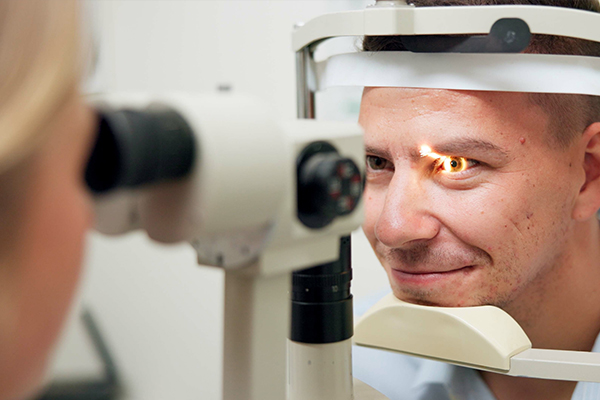
During your appointment, we’ll examine your eyes and explain which treatment options may suit your condition and lifestyle. You’ll receive expert advice and a clear, personalised plan.

STEP 3: ENJOY FREEDOM

After treatment, many people feel relief knowing their eyes are healthier and their sight is clearer. With proper care, you can look forward to years of confident, comfortable vision.

Take the first step toward clearer, healthier vision

Book an appointment to learn more about your eyes and the treatment options that may suit you

Take the first step toward clearer, healthier vision

Book an appointment to learn more about your eyes and the treatment options that may suit you

Hi, I’m Dr Daya Sharma

I’m a cataract, corneal and refractive surgeon with subspecialty training from Moorfields Eye Hospital in London and Sydney Eye Hospital. I perform laser vision correction procedures, refractive lens surgery, and advanced cataract surgery using the latest diagnostic and surgical technology. My work is focused on helping people reduce their dependence on glasses and improve their quality of vision at all distances. I’m actively involved in research, publication and surgical education, and I take pride in offering honest, thorough guidance to every patient. My approach is personal, careful and always tailored to individual needs and lifestyles.

Hi, I’m Dr Shanel Sharma

I’m an ophthalmologist with subspecialty training in paediatric eye conditions, strabismus, medical retina and general ophthalmology from leading hospitals in Sydney and London, including Moorfields Eye Hospital. I hold a Fellowship with RANZCO and have published widely in peer-reviewed journals. My focus is providing careful, individualised care using evidence-based treatments. I’m accredited to treat a range of conditions and perform procedures including intravitreal injections, strabismus surgery and botulinum toxin treatments. I always aim to make the process clear, calm and supportive.