

Get expert care for retinal vein occlusion in Sydney

Advanced treatments may help reduce swelling and stabilise your vision when a blocked retinal vein is diagnosed early

Get expert care for retinal vein occlusion in Sydney

Advanced treatments may help reduce swelling and stabilise your vision when a blocked retinal vein is diagnosed early

With retinal vein occlusion treatment, you can protect your vision

Learn how modern therapies may help manage this condition and support clearer sight
  • Retinal vein occlusion (RVO) occurs when a vein in the retina becomes blocked, causing swelling and potential vision loss.
  • Suitability for treatment depends on confirming the diagnosis (branch or central RVO), the severity of retinal swelling (macular edema), and whether abnormal blood vessel growth (neovascularisation) is present.
  • Additional factors include your overall health, such as blood pressure and diabetes control.
  • An eye specialist will use imaging, vision testing and retinal examination to decide if you are a candidate for anti-VEGF injections, laser therapy or other interventions that may help preserve your vision.
  • Treatment for RVO focuses on managing complications rather than reversing the blockage.
  • One key method is intravitreal injections of anti-vascular endothelial growth factor (anti-VEGF) drugs, which help reduce fluid leakage and swelling in the retina.
  • Laser photocoagulation (pan-retinal or focal) may also be used when abnormal blood vessels form or persistent swelling remains.
  • These interventions aim to control damage, stabilise vision and reduce further risk of vision decline.
  • Your specialist will tailor a plan to your individual condition and response.
  • Treating RVO early may help prevent further vision decline and manage the effects of retinal swelling, giving you the best possible chance of maintaining functional vision.
  • Treatments like anti-VEGF injections and laser therapy are widely used.
  • However, outcomes vary widely and treatment may involve ongoing injections or monitoring.
  • Some people may still experience vision loss despite intervention.
  • Because RVO is often linked to general vascular issues (e.g., diabetes, hypertension), managing overall health remains critical. A specialist assessment helps clarify expectations and choice of therapy.
  • All interventions carry some risks. Anti-VEGF injections may cause temporary discomfort, floaters, or infection (rare).
  • Laser photocoagulation may lead to peripheral vision changes or slightly reduced contrast in treated areas.
  • Third-party factors such as uncontrolled blood pressure or vein blockage severity also influence outcome risk.
  • Some individuals may develop new complications like glaucoma or bleeding despite treatment.
  • Your specialist will discuss possible side effects, monitoring needs and how risks are managed with modern techniques and follow-up protocols.
  • If RVO treatment as above isn’t appropriate right away, monitoring may be advised alongside managing underlying conditions such as hypertension, diabetes, and high cholesterol.
  • Updated glasses, low-vision support or lifestyle adjustments (such as controlling fluid or salt intake) may also play a role.
  • Early detection and health optimisation remain key.
  • Your specialist will outline which path fits your condition until or while further treatment is planned.
  • Treatment for retinal vein occlusion starts with confirming the diagnosis using retinal scans and vision tests.
  • Management focuses on controlling swelling and preventing further damage.
  • Anti-VEGF eye injections are commonly given at regular intervals to help reduce leakage and improve retinal function.
  • Laser treatment may be added if abnormal blood vessels develop or swelling persists.
  • Ongoing monitoring and management of related conditions like hypertension or diabetes are essential to protect long-term vision.
  • With timely treatment, many patients experience stabilised or improved vision compared to doing nothing, especially when macular swelling is reduced.
  • Nevertheless, because the underlying blockage cannot always be reversed, visual recovery may be partial and vary by individual. Some regain near-normal vision, while others retain some level of deficit.
  • Long-term control of eye health and underlying conditions remains essential. Your specialist will explain what “success” means in your case, focusing on preserving vision rather than guaranteeing full restoration.

GAIN VISUAL FREEDOM IN 3 EASY STEPS

Eye treatment options can be confusing, we’ve made the path to healthier vision easy to follow

STEP 1: GET IN TOUCH

Every eye is different. The first step is to find out which treatment could help you see more clearly and protect your long-term vision. Call our caring team or use our online calendar to book an appointment.
STEP 2: WE’LL MEET

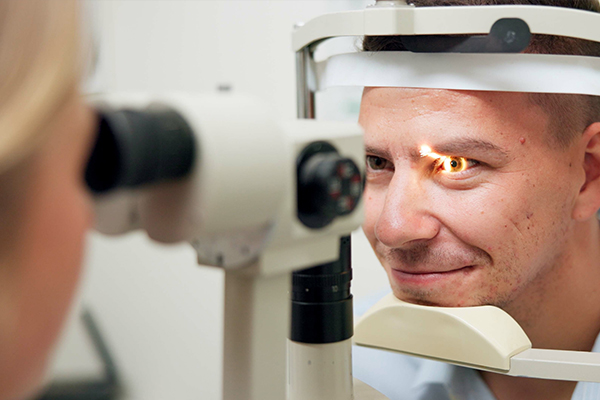
During your appointment, we’ll examine your eyes and explain which treatment options may suit your condition and lifestyle. You’ll receive expert advice and a clear, personalised plan.

STEP 3: ENJOY FREEDOM

After treatment, many people feel relief knowing their eyes are healthier and their sight is clearer. With proper care, you can look forward to years of confident, comfortable vision.

Take the first step toward clearer, healthier vision

Book an appointment to learn more about your eyes and the treatment options that may suit you

Take the first step toward clearer, healthier vision

Book an appointment to learn more about your eyes and the treatment options that may suit you

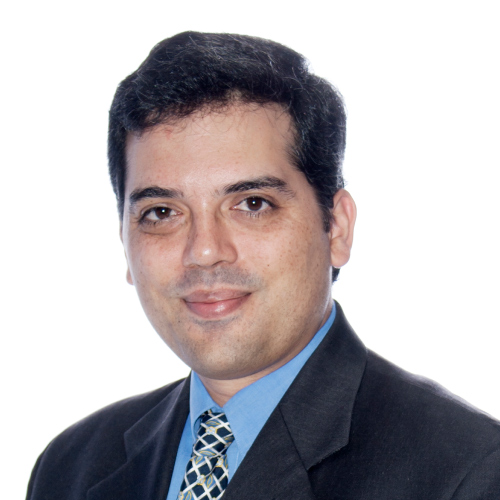
Hi, I’m Dr Daya Sharma

I’m a cataract, corneal and refractive surgeon with subspecialty training from Moorfields Eye Hospital in London and Sydney Eye Hospital. I perform laser vision correction procedures, refractive lens surgery, and advanced cataract surgery using the latest diagnostic and surgical technology. My work is focused on helping people reduce their dependence on glasses and improve their quality of vision at all distances. I’m actively involved in research, publication and surgical education, and I take pride in offering honest, thorough guidance to every patient. My approach is personal, careful and always tailored to individual needs and lifestyles.

Hi, I’m Dr Shanel Sharma

I’m an ophthalmologist with subspecialty training in paediatric eye conditions, strabismus, medical retina and general ophthalmology from leading hospitals in Sydney and London, including Moorfields Eye Hospital. I hold a Fellowship with RANZCO and have published widely in peer-reviewed journals. My focus is providing careful, individualised care using evidence-based treatments. I’m accredited to treat a range of conditions and perform procedures including intravitreal injections, strabismus surgery and botulinum toxin treatments. I always aim to make the process clear, calm and supportive.