

Say goodbye to cloudy vision with cataract surgery in Sydney

Discover how modern lens replacement technology may restore clarity and help you see with less reliance on glasses or contacts

Say goodbye to cloudy vision with cataract surgery in Sydney

Discover how modern lens replacement technology may restore clarity and help you see with less reliance on glasses or contacts

Regain clear vision and enjoy each day again

Our patients often feel renewed, confident and more connected when their vision matches how they live, not limits it

Enjoy easier daily activities with clearer sight

Cataracts can make low-light driving, reading and work tasks more challenging . After cataract surgery, many people experience improved clarity and reduced glare as the cloudy lens is replaced with a clear artificial one. While results vary, activities like reading documents, attending events and moving through unfamiliar environments may feel more comfortable again. Treatment can also support safer mobility and help remove some of the barriers that cataracts create in everyday life.

Feel reassured and confident about your eyesight

Blurry or dim vision can create concern about independence, career performance and safety, especially for those who rely on precision and confidence every day. Cataract surgery may help relieve some of those worries by restoring more reliable vision. With a personalised care plan and clear guidance, people often feel calmer, more in control and more optimistic about preserving their long-term eyesight and lifestyle.

Wake up ready for the day ahead

Instead of starting the day squinting at emails or struggling with glare in meetings, many people find life flows more smoothly after cataract treatment. Reading, driving at dusk, and evening occasions may feel easier. You can focus more on experiences, travel, fitness, time with family, without the constant interruptions cataracts can cause. Vision that supports your plans may help you stay active, present and energised from morning to night.

Be comfortable showing up as your best self

When your vision aligns with your expectations and lifestyle, you may feel more at ease during work and social occasions. Rather than managing visual limitations, you can contribute fully in conversations and professional settings. Addressing cataracts is a practical and proactive step that can support confidence, independence and overall wellbeing, helping you continue to live the life you choose with clarity and purpose.

Regain clear vision and enjoy each day again

Our patients often feel renewed, confident and more connected when their vision matches how they live, not limits it


Enjoy easier daily activities with clearer sight

Cataracts can make low-light driving, reading and work tasks more challenging . After cataract surgery, many people experience improved clarity and reduced glare as the cloudy lens is replaced with a clear artificial one. While results vary, activities like reading documents, attending events and moving through unfamiliar environments may feel more comfortable again. Treatment can also support safer mobility and help remove some of the barriers that cataracts create in everyday life.

Feel reassured and confident about your eyesight

Blurry or dim vision can create concern about independence, career performance and safety, especially for those who rely on precision and confidence every day. Cataract surgery may help relieve some of those worries by restoring more reliable vision. With a personalised care plan and clear guidance, people often feel calmer, more in control and more optimistic about preserving their long-term eyesight and lifestyle.

Wake up ready for the day ahead

Instead of starting the day squinting at emails or struggling with glare in meetings, many people find life flows more smoothly after cataract treatment. Reading, driving at dusk, and evening occasions may feel easier. You can focus more on experiences, travel, fitness, time with family, without the constant interruptions cataracts can cause. Vision that supports your plans may help you stay active, present and energised from morning to night.

Be comfortable showing up as your best self

When your vision aligns with your expectations and lifestyle, you may feel more at ease during work and social occasions. Rather than managing visual limitations, you can contribute fully in conversations and professional settings. Addressing cataracts is a practical and proactive step that can support confidence, independence and overall wellbeing, helping you continue to live the life you choose with clarity and purpose.

A clear path to better vision in 3 Steps

We guide you from assessment to treatment and beyond

STEP 1: GET IN TOUCH

The first step is to book an appointment so we can examine your eyes and discuss the cataract treatment options available to you. Call our team or use the online calendar to make an appointment.
STEP 2: WE’LL MEET

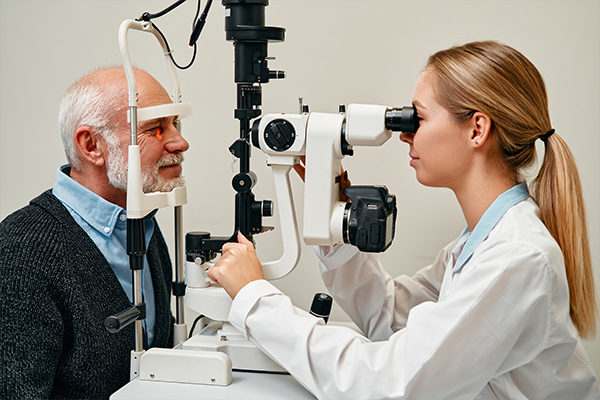
During your visit, we’ll assess your cataracts, answer your questions, and explain which lens options may suit your needs, whether that’s improving distance vision, reading vision, or both.

STEP 3: ENJOY FREEDOM

After surgery, many people report sharper vision and greater confidence in daily tasks. Those who choose lens options to reduce their need for glasses often say they wish they had done it sooner.

Learn if cataract surgery could help you see more clearly

Schedule an appointment to discuss your vision and explore the lens options that may suit you

Learn if cataract surgery could help you see more clearly

Schedule an appointment to discuss your vision and explore the lens options that may suit you

With cataract surgery, clearer vision may be within reach

Quickly discover how this revolutionary eye treatment can give you visual freedom in moments
  • Cataract surgery is typically recommended when cloudy lenses significantly affect daily activities such as reading, working or night driving.
  • Suitability depends on factors such as eye health, prescription, presence of other conditions such as glaucoma or macular degeneration, and overall medical fitness.
  • During your assessment, we measure how cataracts affect your vision and discuss your lifestyle goals.
  • If your vision concerns are primarily due to cataracts, your surgeon may recommend lens replacement surgery as the most effective way to restore clarity and support your long-term eye health.
  • Cataract surgery involves removing the clouded natural lens of the eye and replacing it with a clear artificial intraocular lens (IOL).
  • With numbing drops for comfort, the surgeon creates a tiny opening in the eye, gently removes the cataract using ultrasound technology, and inserts a new lens selected to suit your visual needs. The incision usually seals itself naturally.
  • Most people go home the same day and notice improvement as the eye heals over days to weeks.
  • Follow-up appointments ensure healing is progressing and help optimise visual outcomes.
  • Cataract surgery can restore clarity of vision and reduce problems like glare or poor night vision.
  • It may also reduce reliance on glasses depending on lens choice and individual eye characteristics.
  • Because the cloudy lens is fully replaced, cataracts cannot return.
  • However, as with all surgery, results vary and some tasks may still require glasses.
  • People with additional eye conditions may have limits on their final outcome.
  • Understanding your unique eye health and goals helps set realistic expectations so the benefits of treatment align with your lifestyle needs.
  • Like all medical procedures, cataract surgery carries risks.
  • Possible side effects can include temporary irritation, glare, halos around lights or variable vision during recovery.
  • Rare complications include infection, swelling, or issues with the artificial lens that may require additional treatment.
  • Thorough checks before surgery help ensure it is safe for your eyes.
  • Your surgeon will explain the potential risks and how they are managed, giving you clear information so you can feel confident in your decision.

There are different lens options available during cataract surgery, depending on your eyes and your goals.

Monofocal lenses are designed to provide clear distance vision, with glasses often still needed for reading.

Multifocal and extended-depth-of-focus lenses may help reduce reliance on glasses at different distances, though results vary by individual.

Your surgeon will guide you through the safest and most suitable option for your needs.

  • The process starts with a consultation and advanced diagnostic imaging to plan your treatment.
  • On surgery day, numbing drops are used to keep your eye comfortable.
  • A tiny incision is made, the cloudy lens is removed, and a clear artificial lens is placed.
  • You will rest briefly afterwards before going home.
  • Follow-up visits check your healing, and normal daily activities can usually resume within a short time.
  • Your surgeon will guide you throughout to ensure clarity on every step of your journey.
  • Many people notice clearer vision and improved comfort as the eye heals.
  • Distance vision, colour brightness and night driving may improve depending on your personalised treatment plan.
  • Near-vision needs will vary and may still require glasses for fine detail or low-light tasks.
  • Long-term results depend on general eye health and the type of lens chosen.
  • Regular eye checks and good care help maintain the best outcome. Your surgeon will discuss what you can reasonably expect based on your specific eyes and lifestyle.

Does relying on glasses and fading vision feel frustrating?

If so, you have the choice to book an appointment and take back control

Are you over 60 and noticing cloudy or blurry vision?

If everyday tasks are starting to look unclear, especially in low light, it may be more than age. Cataracts and changing vision can affect confidence and independence. By booking an appointment, you can learn what’s causing the change and explore treatment options to restore clarity.

You’ve been told you may have cataracts

Hearing this can be unsettling, especially if your sight is important for work, driving or daily life. The good news is that cataract surgery is a well-established and effective procedure performed every day. An appointment will help you understand your next steps.

You rely on reading glasses and find them inconvenient

Needing glasses for everything, menus, phones, books, meetings, can be annoying and limiting. If cataracts are also developing, it can make things worse. Treatment and lens options may reduce your dependence on glasses and help you see more clearly at all distances. Contact us to find out how we could help you regain confidence and freedom in daily life.

Discover which cataract treatment options may suit your eyes

Take this free 2-minute self-test to learn which lens options could help you see more clearly and fit your lifestyle

Discover which cataract treatment options may suit your eyes

Take this free 2-minute self-test to learn which lens options could help you see more clearly and fit your lifestyle

Affiliations and memberships

We are proud to be a part of these professional bodies
Academic resources on cataract surgery

Explore trusted insights from recognised medical sources. These links will take you off our website

This article investigates outcomes, complications, and long-term results of a specific ophthalmic surgical procedure. Findings suggest measurable benefits with some risk considerations.

Read more

This page explains what cataract surgery involves, who may need it, lens options, recovery expectations, risks, and when to speak with an eye specialist.

Read more

This article outlines 7 common symptoms of cataracts, including hazy vision, glare, halos, double vision, and color fading. Learn when changes in vision may signal cataract development.

Read more

Hi, I’m Dr Daya Sharma

I’m a cataract, corneal and refractive surgeon with subspecialty training from Moorfields Eye Hospital in London and Sydney Eye Hospital. I perform laser vision correction procedures, refractive lens surgery, and advanced cataract surgery using the latest diagnostic and surgical technology. My work is focused on helping people reduce their dependence on glasses and improve their quality of vision at all distances. I’m actively involved in research, publication and surgical education, and I take pride in offering honest, thorough guidance to every patient. My approach is personal, careful and always tailored to individual needs and lifestyles.

Hi, I’m Dr Shanel Sharma

I’m an ophthalmologist with subspecialty training in paediatric eye conditions, strabismus, medical retina and general ophthalmology from leading hospitals in Sydney and London, including Moorfields Eye Hospital. I hold a Fellowship with RANZCO and have published widely in peer-reviewed journals. My focus is providing careful, individualised care using evidence-based treatments. I’m accredited to treat a range of conditions and perform procedures including intravitreal injections, strabismus surgery and botulinum toxin treatments. I always aim to make the process clear, calm and supportive.