

Specialist care for children’s eye conditions in Sydney

Early diagnosis and treatment may help protect developing vision and support better sight as your child grows

Specialist care for children’s eye conditions in Sydney

Early diagnosis and treatment may help protect developing vision and support better sight as your child grows

With timely treatment, children may achieve better vision and eye alignment

Learn how we assess and manage paediatric eye concerns to support confident seeing and healthy development
  • Paediatric eye conditions affect how a child’s eyes develop and function.
  • Because the connection between the eyes and the brain is still forming, early identification is important.
  • Two of the most common concerns are amblyopia (lazy eye) and strabismus (squint).
  • Amblyopia happens when one eye does not develop normal visual clarity.
  • Strabismus occurs when the eyes do not line up together.
  • These conditions can affect depth perception, coordination and confidence in school or sports.
  • Regular eye checks help detect issues early, even before a child knows something is wrong.
  • Early support may lead to stronger visual outcomes.
  • Amblyopia and strabismus are the most common conditions treated in childhood.
  • Amblyopia is managed with glasses, patching, or atropine drops to encourage stronger vision in the weaker eye.
  • Strabismus treatment depends on the cause and may include glasses, patching if amblyopia is also present, Botox injections, or strabismus surgery to correct eye alignment.
  • Some children may have both conditions, so the treatment plan is tailored to their needs.
  • Adults may also experience strabismus, often following other health issues.
  • Treatment aims to improve visual function, eye coordination and comfort.
  • Treatment supports the developing visual pathway.
  • Glasses correct focusing problems so the eyes can work together more effectively.
  • Patching or atropine drops temporarily reduce vision in the stronger eye to encourage the weaker eye to develop.
  • When strabismus is present, muscle-balancing treatments such as Botox or surgery help realign the eyes so they point in the same direction.
  • Each step is closely monitored by the ophthalmologist to track progress.
  • Parents are supported with instructions and regular follow-ups to ensure treatment is working as well as possible during this important developmental window.
  • Treating these conditions early may help improve sight in the weaker eye and support healthy binocular vision.
  • Many children achieve excellent long-term outcomes and feel more confident in daily life and learning environments.
  • However, treatment often requires commitment, particularly patching or drops, and results vary by age and severity.
  • Some strabismus cases may require more than one type of treatment to maintain alignment.
  • Your specialist will guide you with a realistic and personalised plan.
  • Paediatric eye treatments are widely used and generally safe, but all interventions carry potential risks.
  • Patching may temporarily reduce vision in the stronger eye if not monitored.
  • Surgery includes standard risks such as infection, over- or under-correction, or the need for future adjustments.
  • Botox can occasionally cause temporary drooping of the eyelid.
  • Glasses and medications may require adaptation.
  • To minimise these risks, children are carefully monitored throughout treatment.
  • Your ophthalmologist will explain all safety considerations so families feel informed and supported.
  • Children treated early for amblyopia or strabismus often experience stronger visual development and improved eye alignment.
  • Many children continue school, play and social activities without visual limitations.
  • Cosmetic improvements can also support confidence.
  • Because results depend on age, the cause of the condition and how well treatment is followed, progress is reviewed regularly to ensure the best possible outcome.
  • With the right care, vision and quality of life can be well-supported at any age.

GAIN VISUAL FREEDOM IN 3 EASY STEPS

Eye treatment options can be confusing, we’ve made the path to healthier vision easy to follow

STEP 1: GET IN TOUCH

Every eye is different. The first step is to find out which treatment could help you see more clearly and protect your long-term vision. Call our caring team or use our online calendar to book an appointment.
STEP 2: WE’LL MEET

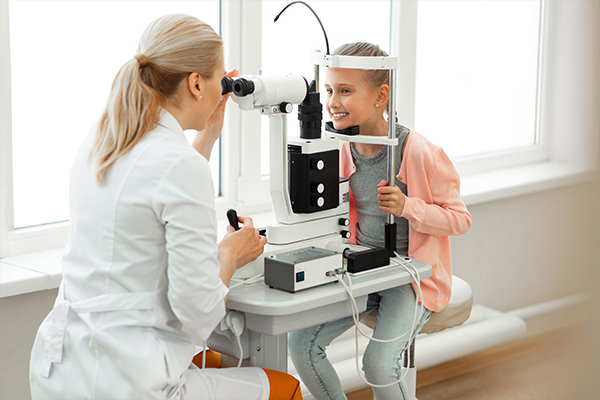
During your appointment, we’ll examine your eyes and explain which treatment options may suit your condition and lifestyle. You’ll receive expert advice and a clear, personalised plan.

STEP 3: ENJOY FREEDOM

After treatment, many people feel relief knowing their eyes are healthier and their sight is clearer. With proper care, you can look forward to years of confident, comfortable vision.

Take the first step toward clearer, healthier vision

Book an appointment to learn more about your eyes and the treatment options that may suit you

Take the first step toward clearer, healthier vision

Book an appointment to learn more about your eyes and the treatment options that may suit you

Hi, I’m Dr Daya Sharma

I’m a cataract, corneal and refractive surgeon with subspecialty training from Moorfields Eye Hospital in London and Sydney Eye Hospital. I perform laser vision correction procedures, refractive lens surgery, and advanced cataract surgery using the latest diagnostic and surgical technology. My work is focused on helping people reduce their dependence on glasses and improve their quality of vision at all distances. I’m actively involved in research, publication and surgical education, and I take pride in offering honest, thorough guidance to every patient. My approach is personal, careful and always tailored to individual needs and lifestyles.

Hi, I’m Dr Shanel Sharma

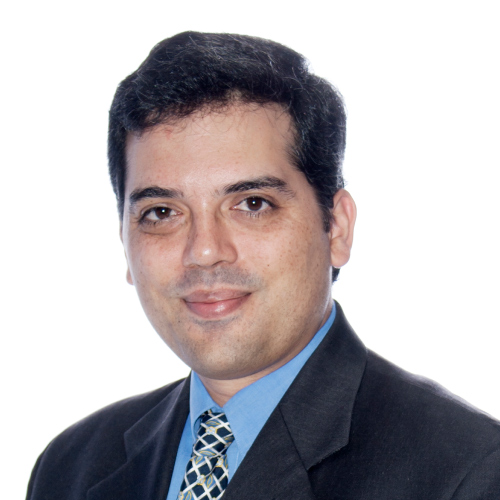
I’m an ophthalmologist with subspecialty training in paediatric eye conditions, strabismus, medical retina and general ophthalmology from leading hospitals in Sydney and London, including Moorfields Eye Hospital. I hold a Fellowship with RANZCO and have published widely in peer-reviewed journals. My focus is providing careful, individualised care using evidence-based treatments. I’m accredited to treat a range of conditions and perform procedures including intravitreal injections, strabismus surgery and botulinum toxin treatments. I always aim to make the process clear, calm and supportive.